
Yes. Regulations can change overnight. And smart systems help pharmaceutical companies stay compliant by tracking those changes, flagging relevant impacts, and ensuring operational alignment so you don’t wake up to a fine, recall or audit with your back against the wall.
What kind of regulatory changes hit pharma companies in Canada?
In Canada, companies dealing with pharmaceuticals face rules from Health Canada like the Good Manufacturing Practices (GMP) guide (GUI-0001) and other regulations. For example, raw materials must be tested to ensure they meet specifications (GUI-0104) and only approved fabricators used.
Another example: the Drug Identification Number (DIN) guidance document outlines manufacturer obligations for notifications such as when a product is discontinued or hasn’t sold for 12 months.
Labeling rules matter too. Canada requires bilingual labels in certain cases, and changes to labelling regulations happen.
So what may seem like a small change a labelling update, a supplier change, an alternate material approval can ripple. If you operate manufacturing, packaging or importation in Canada, a change in one regulation may require adjustments in sourcing, documentation, materials, vendor qualification and quality control.
Why do these changes matter right now?

When your systems aren’t ready, you risk:
- A regulatory inspection finding your raw-material specs don’t reference the latest standard. (Health Canada inspections highlight such issues)
- A product continuing to be marketed while its DIN status is suspended or changed, meaning you may be out of compliance.
- Labeling not meeting new rules (for example, language, format) which may delay a launch or prompt a recall.
- Vendor qualification being inadequate if a new regulation changes how suppliers must be assessed.
In short, regulatory change = operational cost if you’re late. You may incur delays, rework, waste, or even fines. Canadian firms also face unique challenges: Canada’s pharma sector often imports APIs, deals with strict GMP rules, and must stay aligned with Health Canada’s regulations. If your compliance system is weak, you’re exposed.
How do “smart systems” help you keep up?
By smart systems I mean an integrated software platform that links your manufacturing, sourcing, vendor, quality, regulatory and supply-chain data. One that:
- Feeds in regulatory updates (or links to external regulatory sources)
- Maps rules to operations (e.g., new raw-material test spec needed)
- Monitors vendor compliance (supplier audit status, alternate sources)
- Generates alerts when a regulation change might impact you
- Records and tracks your responses for audits
Research shows that machine-learning and analytics help in pharma supply chains to manage risk, traceability and compliance. For instance, one recent study described how an “AI+VMI system improves drug supply chain management by ensuring security, reducing costs, enhancing efficiency and safety of drug management” in a pharma setting.
Another piece noted that advanced inventory systems must allow customised rules to manage slow-moving, rare drugs while factoring in regulatory constraints.
So a smart system links regulation + supply chain + data. It helps you react faster when regulation changes.
What features should a compliance-system for pharma include?
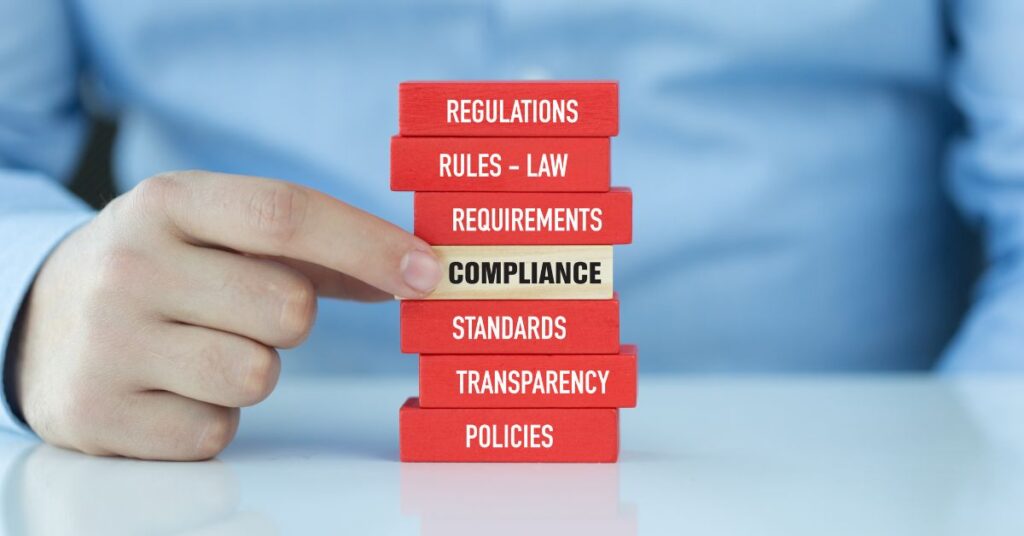
If you’re evaluating a system for your Canadian pharma operation, look for capabilities like:
- Real-time or frequent updates of regulation references relevant to manufacturing, packaging, labelling, supplier qualification and import/export
- Vendor compliance tracking: e.g., does the supplier’s audit expire? Has the spec changed? Are their raw materials updated?
- Alerts/workflows: e.g., when a regulation changes, the system prompts you: review supplier X’s spec, update label for product Y by date Z
- Documentation and audit readiness: record change history, who did what, when.
- Integration with vendor and supply-chain modules: so you don’t just have compliance in a silo but linked to sourcing, forecasting, inventory
- Local Canadian-market adaptation: specific rules for Canada (Health Canada, DINs, bilingual labelling etc) rather than generic global rules
How would this work in a real scenario?
Imagine: A regulation update states raw materials for APIs must now test for a new impurity or meet a new threshold. Without a smart system you may only realise during an inspection or after a failed batch. With a smart system:
- The system receives the regulation update and flags “API material spec change needed”
- It checks vendor records: is vendor A already qualified under the old spec? Does their certificate need update?
- It triggers tasks: QA to review materials, adjust specs, get vendor certificates
- It links to inventory and production plans: you note that material from vendor A filters into upcoming lots you may reserve alternate vendor B or halt production until compliant
- It logs everything for your audit file
In Canada this is especially helpful because GMP inspection reports show glaring deficiencies where rules weren’t reflected in operations.
What makes this particularly relevant for Canadian pharma firms?
Canada’s market has specific traits: you deal with Health Canada rules, large import content, bilingual packaging in many cases, and tight compliance expectations. For example, the DIN system is central and gate-keeper for drug licensing.
You may also deal with cross-border supply (US & Canada) or global vendors. A rule change in one jurisdiction might still affect your Canadian operations if you import materials. Having a system that tracks regulation change globally but maps to Canada is an advantage.
Given that Canadian pharma firms already report inventory and vendor management issues (based on internal sector data), investing in robust compliance systems means you’re less reactive and more prepared.
What are the benefits and trade-offs?

Benefits:
- Reduced risk of non-compliance, rework, recalls or fines.
- Faster reaction to regulation change = fewer disruptions.
- Better audit readiness and documentation.
- Efficient operations: fewer surprises mean smoother production.
Trade-offs / things to watch:
- Up-front cost and change management: You’ll need to integrate data, train teams, maybe reorganise workflows.
- Data quality: A system is only as good as your data. If vendor records are incomplete, or specs aren’t digitised, you won’t get full value.
- Over-dependence: The tool guides but doesn’t replace human judgement you still need QA, sourcing and regulatory teams engaged.
- Continuous update: Regulators will keep changing rules; you’ll need process and system maintenance.